
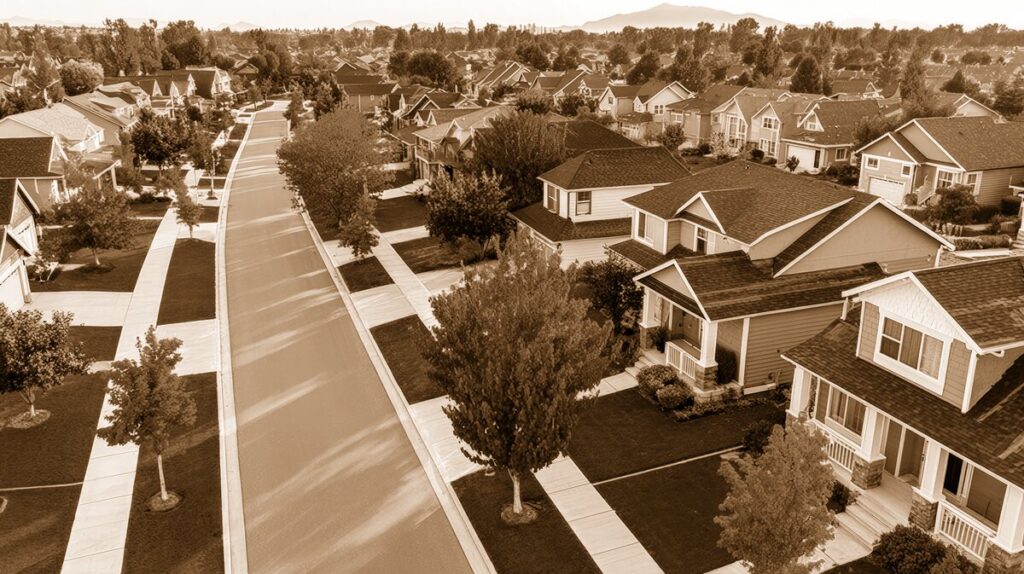
Nestled just minutes from the bustling heart of Houston, West University Place — affectionately known as “West U” — stands as a charming oasis with a rich tapestry of history and heritage. For generations, its tree-lined streets, welcoming parks, and tight-knit community spirit have defined this neighborhood, making it one of the most desirable places to live in the Houston area. As a longtime resident, I’m delighted to share what makes West U so very special.
Origins of West University Place: A City Inspired by Academia
The story of West University Place dates back to 1917, when visionary developer Ben Hooper purchased land just west of the newly established Rice Institute (now Rice University). Keen to create an appealing suburban enclave, Hooper named the community “West University Place” due to its proximity to the prestigious university — a nod that not only anchored the neighborhood’s identity but also attracted early residents who cherished the idea of living near an academic institution.
From its inception, West U was designed with families in mind, with curving streets that diverged from Houston’s grid, cozy homes and spacious lots. By 1924, the neighborhood had incorporated as its own city to maintain strict zoning and ensure the preservation of its peaceful, residential character.
Key Historical Milestones
West University Place flourished over the years thanks to key milestones that shaped its destiny:
- Incorporation (1924): By incorporating, West U established its own city government, ensuring local control over zoning and land use, which preserved its residential focus.
- The Great Depression (1930s): While many American communities struggled, West U maintained stability, due in part to its highly involved residents and strong municipal leadership.
- Post-War Boom (1940s-1950s): Like much of suburban America, West U experienced significant growth after World War II. Modest bungalows built in the 1920s were joined by larger homes, as families flocked to the idyllic neighborhood.
- Modern Rebuilds (1980s-present): Over the last few decades, the neighborhood has seen a wave of redevelopment, with many original cottages replaced by spacious, custom-built homes, reflecting changing tastes and demographics while maintaining the community’s leafy ambiance.
Notable Landmarks and Beloved Institutions
Though West University Place is mostly residential, a few prominent buildings and green spaces have become landmarks over the years:
- West University Elementary School: Located on University Blvd, West U Elementary has long been one of the top-rated public schools in Texas. Its historic main building, with classic brick architecture, stands as a testament to the community’s ongoing commitment to education.
- Tiny’s No. 5: This locally beloved restaurant occupies a charming corner of Rice Blvd, offering a welcoming gathering spot for families after Little League games or neighbors on a weekend stroll.
- Colonial Park: At the heart of the community sits Colonial Park, a lively hub with a sparkling pool, playgrounds, sports fields, and picnic areas. Summer days see children splashing in the pool and neighbors gathering for lively conversations.
- The Scout House: A cherished, cottage-like meeting spot at 6108 Edloe St, the Scout House has hosted generations of local Scout troops, birthday parties, and civic gatherings, cementing its role as a community anchor since its construction in the mid-20th century.
- West University Place City Hall: The city hall at 3800 University Blvd is more than just a center of government—it’s a symbol of self-governance and community pride.
The Heartbeat of the Neighborhood: Community and Traditions
What truly sets West University Place apart is not just its leafy streets or handsome homes, but the sense of community that permeates every block. Residents take pride in neighborhood traditions, such as:
- The annual West U Spring Festival, which gathers families for games, food, and music at Colonial Park.
- Weekly farmers’ markets and block parties, which nurture a strong sense of belonging.
- Seasonal holiday parades, with neighbors decorating homes on streets like Auden, University, and Amherst for festive delights.
In West U, it’s not uncommon to see children biking to school, families walking their dogs down Sunset or Tangley, or friends gathering for coffee at neighborhood cafes. The close connections forged here have stood the test of time.
How West University Place Has Evolved
While West University Place treasures its traditions, it is also a neighborhood that embraces progress and thoughtful growth. Over the past few decades:
- Older “tudor” and “cottage-style” homes from the 1920s and 1930s, especially those lining streets like Mercer, Nottingham, and Georgetown, have been lovingly renovated or replaced—yet builders are diligent about maintaining the area’s classic charm and mature tree canopy.
- The city invests consistently in infrastructure like updated sidewalks, storm drains, and modern schools, ensuring quality of life for all residents.
- Parks such as Huffington Park and Friends Park continue to be updated, providing spaces for recreation, relaxation, and community events.
Throughout its evolution, West U has preserved the integrity and spirit that first attracted residents over a century ago—a delicate balance between honoring history and welcoming the future.
Why West U Endures
Ask any local and they’ll tell you—West University Place’s magic lies in its blend of old and new. There’s a palpable pride in the neighborhood’s roots and a steadfast commitment to maintaining safe, inviting streets for the next generation. From the shady oaks of Rice Blvd to the laughter echoing from Colonial Park, living in West U means becoming a part of something enduring and special.
Whether you’re walking your dog at sunrise, cheering on a Little League team, or simply lingering over coffee with a neighbor, West University Place warmly invites you to be a part of its ongoing story—a story rich with heritage, shaped by community, and always looking gracefully toward the future.